⚡ VoltSens Verified Automotive Research & Analysis
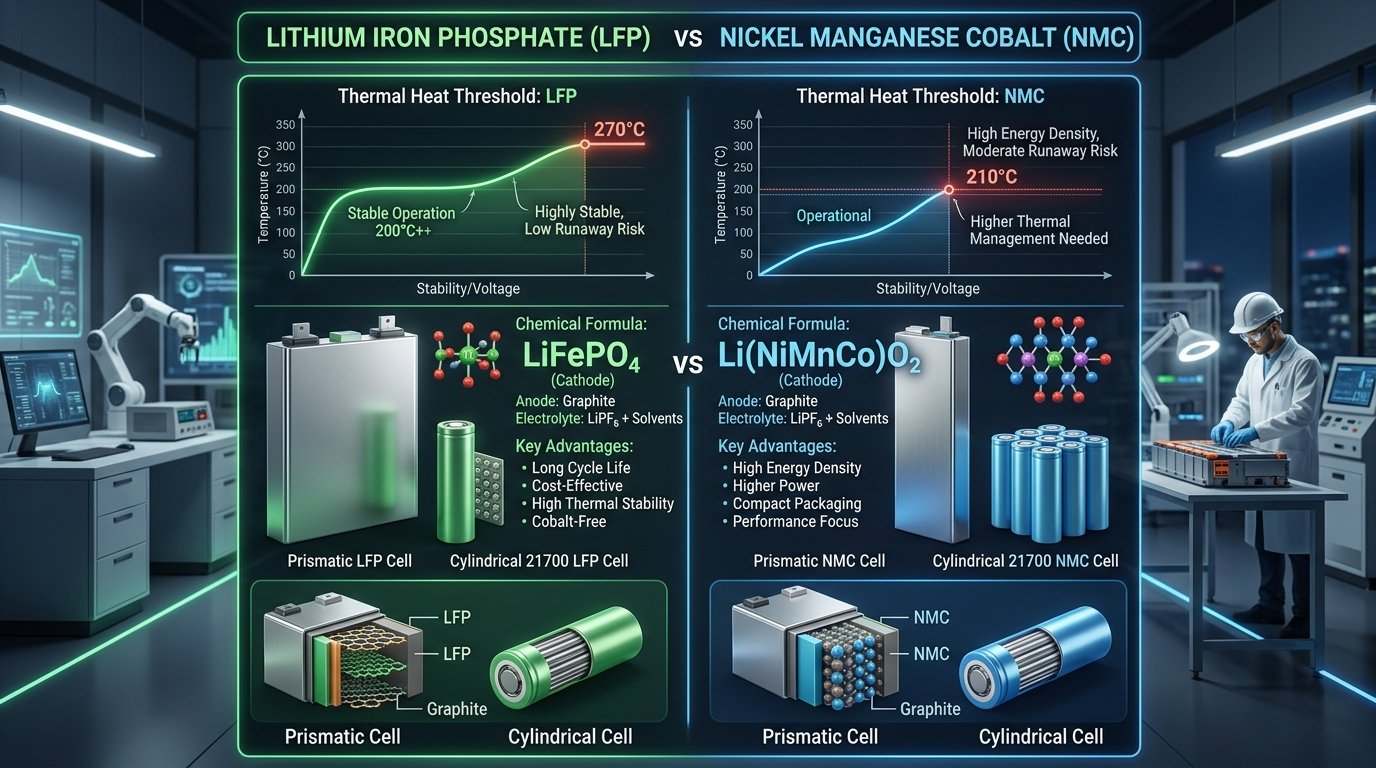
DC fast chargers supply massive current directly into the battery pack, charging from 10% to 80% in 35 minutes. But physics dictates that rapid ionic transfer generates internal cell heat and resistance.
The Recommended 80/20 Charging Routine
Studies by Stanford Battery Labs and OEM telematics confirm that vehicles utilizing 80% Slow AC home charging and 20% DC fast highway charging experience almost identical battery longevity (< 2% variance over 5 years) compared to slow-charge-only vehicles.
Frequently Asked Questions (FAQ)
What is the main topic covered in this article about Battery Tech?
Does 60 kW / 120 kW DC fast charging degrade your battery faster than slow 3.3 kW AC home charging? We look at real cell cycle degradation research and best practices.
How does this relate to EV running costs in India?
Electric propulsion consistently delivers running costs between Rs 0.30/km and Rs 0.50/km for scooters and Rs 0.80/km to Rs 1.20/km for cars, representing an 80%+ savings over fossil fuels.
Where can I find more Battery Tech guides on VoltSens?
VoltSens has 40+ comprehensive guides across EV Cars, Scooters, Battery Tech, and Charging categories. Visit our Battery Tech category page for related in-depth articles.