⚡ VoltSens Verified Automotive Research & Analysis
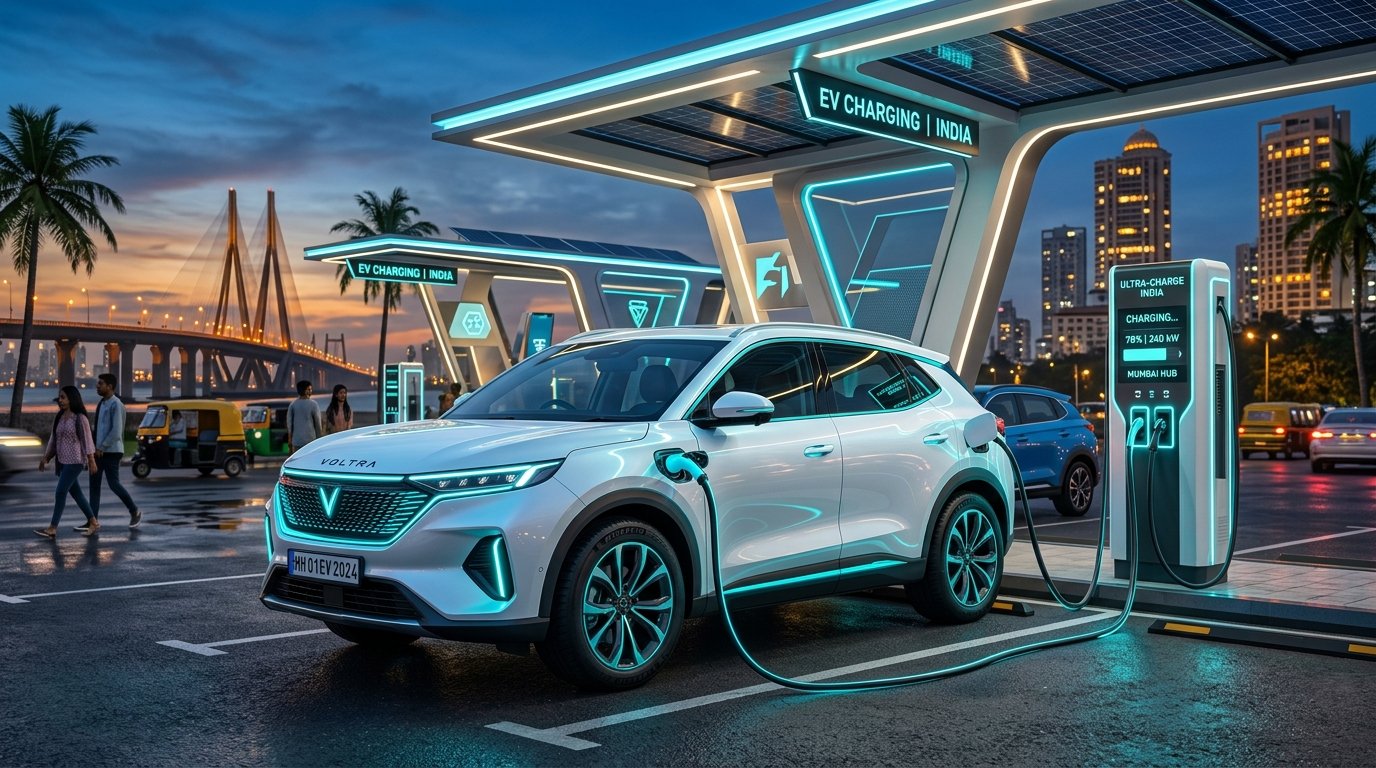
Just three years ago, taking an EV outside city limits felt risky. In 2026, with over 15,000 DC fast charging points installed along major Indian national highways (Delhi-Mumbai Expressway, Mumbai-Pune, Delhi-Agra, Bengaluru-Chennai), intercity EV road trips have become mainstream.
The 100 km/h Highway Range Reality
Unlike petrol cars which get better mileage on highways, electric vehicles consume 20% to 25% more energy at high highway speeds (90-110 kmph) due to aerodynamic drag and lack of multi-gear transmission. Factor this into your charging stops.
The 3-Step Highway EV Planning Rule
1. Drive 2.5 to 3 Hours: Cover 180-220 km.
2. Take a 30-Minute Food/Rest Stop: Plug into a 60 kW / 120 kW DC Fast Charger.
3. Charge 20% to 80%: Lithium batteries charge fastest in the 20-80% window. You are ready for the next 200 km!
Frequently Asked Questions (FAQ)
What is the main topic covered in this article about EV Cars?
Can you take an electric car on a 500+ km highway road trip across India? Here is the honest truth on fast charging availability, AC highway range drop, and trip planning.
How does this relate to EV running costs in India?
Electric propulsion consistently delivers running costs between Rs 0.30/km and Rs 0.50/km for scooters and Rs 0.80/km to Rs 1.20/km for cars, representing an 80%+ savings over fossil fuels.
Where can I find more EV Cars guides on VoltSens?
VoltSens has 40+ comprehensive guides across EV Cars, Scooters, Battery Tech, and Charging categories. Visit our EV Cars category page for related in-depth articles.