⚡ VoltSens Verified Automotive Research & Analysis
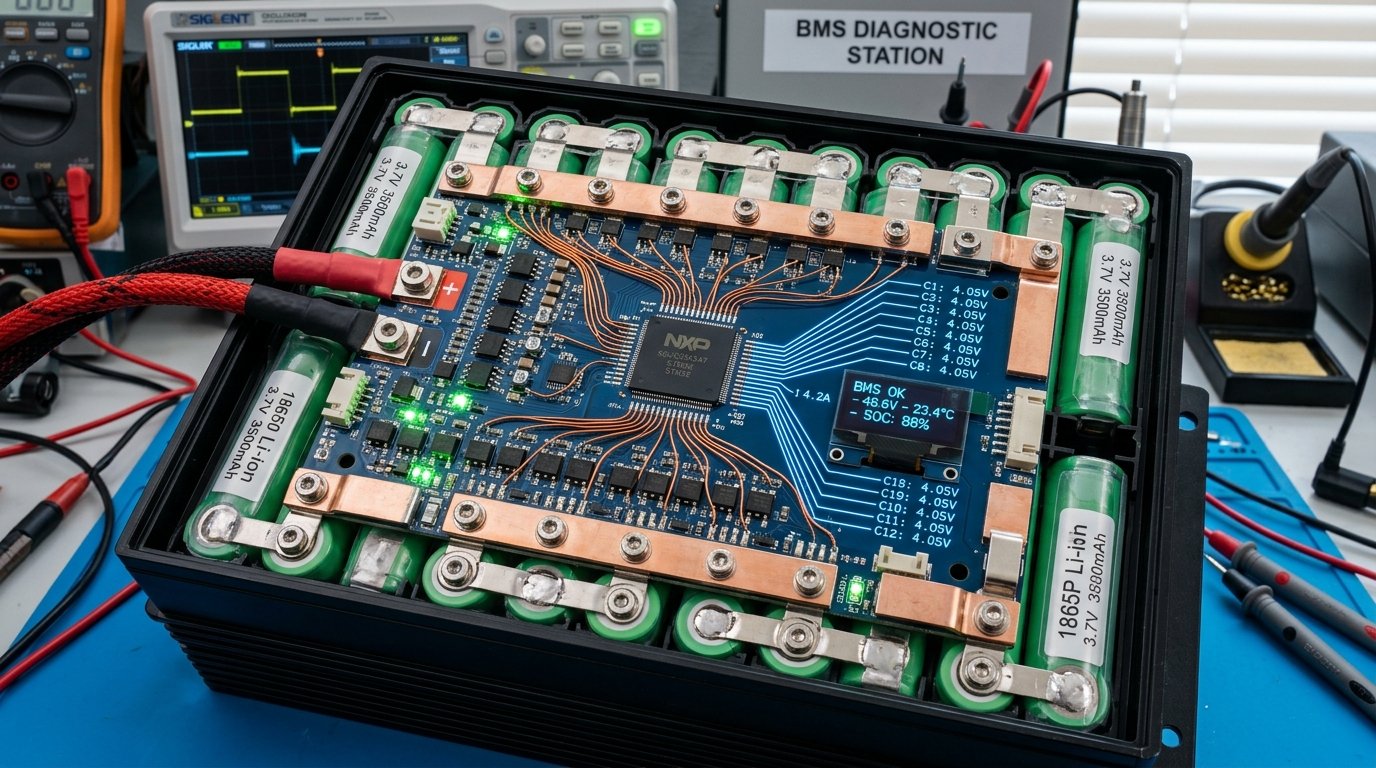
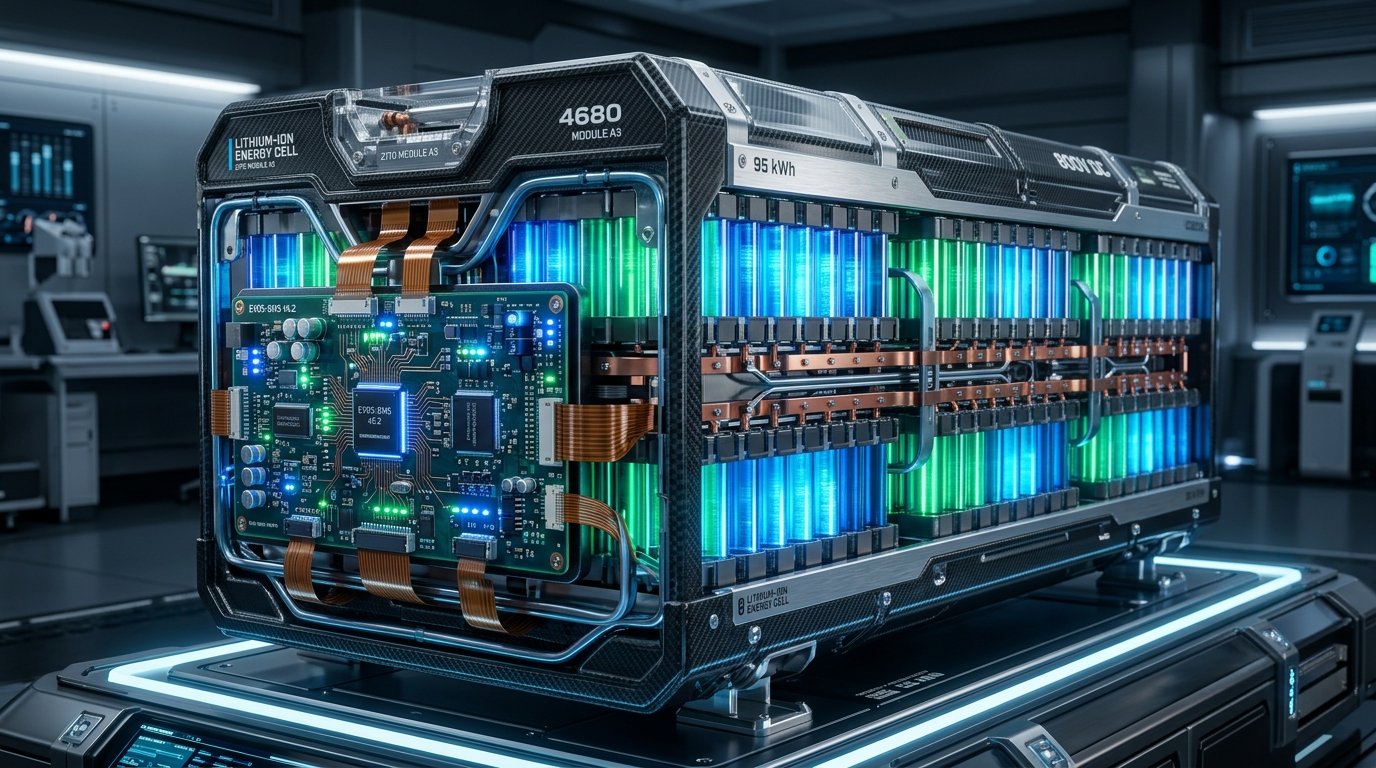
An EV battery pack contains hundreds or thousands of individual cylindrical or prismatic lithium cells. Without a sophisticated Battery Management System (BMS), these cells would charge unevenly, overheat, and degrade prematurely.
Core Functions of a Modern EV BMS
- Cell Balancing: Ensures every individual cell reaches identical voltage during charging, preventing weak cells from causing pack failure.
- Thermal Cutoff: Instantly disconnects high-voltage contactors if cell temperatures cross 60°C.
- State of Charge (SoC) & Health (SoH) Computation: Uses complex Kalman filtering algorithms to give you accurate remaining kilometer range on your dashboard.
Frequently Asked Questions (FAQ)
What is the main topic covered in this article about Battery Tech?
The unsung brain of every electric vehicle. Learn how the BMS prevents fires, balances individual cell voltages, regulates temperature, and estimates your real-world range.
How does this relate to EV running costs in India?
Electric propulsion consistently delivers running costs between Rs 0.30/km and Rs 0.50/km for scooters and Rs 0.80/km to Rs 1.20/km for cars, representing an 80%+ savings over fossil fuels.
Where can I find more Battery Tech guides on VoltSens?
VoltSens has 40+ comprehensive guides across EV Cars, Scooters, Battery Tech, and Charging categories. Visit our Battery Tech category page for related in-depth articles.